Premium Mouth Guards at Mequon. Jaw ache? Sleepless at night? Engage in sports? You might be shocked to learn that you could benefit from a mouthguard if any of these describe you!
The purposes of mouthguards
Solid plastic mouthguards maintain your jaw and teeth in a particular resting position. A mouth guard’s primary purpose is to provide protection. Mouthguards can benefit people who have difficulty sleeping as well as avoid unintentional mouth injuries and teeth grinding pain.
They can occasionally be manufactured to cover the lower row of teeth in addition to the top row. For something in the middle, you can use the “boil and bite” technique or purchase a mouthguard already constructed or customized. The best protection and most comfortable fit are provided by custom mouthguards from your Waupaca dentist, but wearing your mouthguard is crucial, regardless of where you purchase it.
Various Mouthguard Types
Although the majority of mouthguards have the same appearance and functionality, depending on the purpose they serve, they may differ slightly. Main applications for mouthguards consist of:
Sports: Without a mouthguard, athletes have a 60-fold increased risk of dental damage. (Whoa! Athletic activities that don’t involve collisions pose a risk to your oral health. Dentists advise people of all ages to use mouthguards when playing sports or engaging in outdoor activities, and adults are no exception. A mouth injury may result in severe damage to your tongue and lips or irreversible tooth loss.
Night Watchmen: The American Dental Association states that bruxism, or the grinding of teeth, affects 10–15% of individuals. Nighttime teeth grinding can lead to headaches, aching jaws, and damage to your teeth. Grinding and its detrimental effects can be avoided with a night guard. Bruxism can be a serious condition, so you should discuss any and all causes of your teeth grinding or jaw clenching with your doctor and dentist. This is especially important if it’s contributing to more significant issues like temporomandibular joint dysfunction (TMJ).
Sleep Apnea: A mouthguard or other dental device can assist hold your tongue and lower jaw in place to promote airflow if you momentarily stop breathing while you sleep. Sleep apnea can raise your risk of heart attack and stroke and lead to a host of other issues with your oral and general health, including fatigue and dry mouth. You can also stop snoring with the aid of a mouthguard. Ask your doctor or dentist what’s best for you as a mouthguard may not be an effective treatment for all cases of sleep apnea.
Indeed, using a mouthguard is possible even if you wear braces. Just think of how much more unpleasant an accident with braces may be! Find a mouthguard that fits well and meets your needs by speaking with your dentist.
To discourage bacteria from forming, clean your mouthguard with soap and water on a regular basis, brush it with a toothbrush and toothpaste, and store it in a ventilated case.
Intensive Dental Care
Emergency dentistry is available to you even if you take every precaution to avoid getting hurt in the mouth. Accidents and unexpected dental issues can happen at any time, so don’t hesitate to call us at (262) 240-0405 for prompt assistance. Our team is here to provide the care you need, and most dentists offer an answering service available after hours to address urgent concerns.
If you’re experiencing long-term dental issues such as TMJ, teeth grinding, or sleep apnea, it’s important to seek professional help. These conditions can significantly affect your overall health and well-being. Schedule an appointment with us today to find effective solutions and take the first step toward improving your oral health. A healthier smile can have a profound positive impact on many other areas of your life, enhancing your confidence, comfort and quality of sleep.
Fun Dental Facts… Did You Know? When we think of the dentist’s office, it’s not uncommon to associate it with anxiety, drills, and, perhaps, a little discomfort. But what if we told you that the world of dentistry is filled with fascinating and fun facts? These tidbits might just change the way you think about your pearly whites. So, sit back, relax, and get ready to discover some intriguing and enjoyable dental facts!
The Tooth Fairy Economy
The Tooth Fairy isn’t just a mythical creature; she’s a significant player in the economy. According to a survey by Visa, American children received an average of $4.03 per lost tooth in 2021. This translates to a whopping $74.2 million in total tooth fairy payouts across the country! The tooth fairy sure is a generous visitor.
Tooth Enamel – Nature’s Armor
Tooth enamel is the hardest substance in the human body, even stronger than bone. It’s no wonder that it protects our teeth from the wear and tear of chewing, crunching, and grinding all day long. But don’t take it for granted; once it’s gone, it doesn’t grow back, so make sure to take good care of it.
The Average Person Spends 38.5 Days Brushing Their Teeth
If you add up all the time you spend brushing your teeth throughout your life, it averages to about 38.5 days. That’s more than a month of your life dedicated to dental hygiene! It’s a small investment for a lifetime of healthy smiles.
Dentistry in Ancient Times
Dentistry has a long and storied history. In ancient times, tooth decay and cavities was treated with substances like crushed eggshells, animal hooves, and even ashes of burnt mice. Fortunately, dental care has come a long way since then, with modern dentistry offering safe and effective treatments for all dental issues.
The Fear of Dentists – Odontophobia
If you have a fear of visiting the dentist, you’re not alone. Approximately 61% of people have some level of dental anxiety. The fear of dentists even has a name: odontophobia. But remember, regular dental check-ups are crucial for maintaining good oral health, so it’s worth facing your fears. Schedule your appointment today.
Every Person Has a Unique Dental Print
Just as our fingerprints are unique, so are our dental prints. The arrangement of teeth, gaps, and dental work is specific to each individual. This uniqueness has led to dental records being used for identification in forensic science.
Dental Health and Overall Health Are Linked
Oral health is intimately connected to your overall health. Conditions like gum disease have been linked to serious health issues, including heart disease, diabetes, and respiratory problems. Taking care of your teeth and gums isn’t just about a beautiful smile; it’s about safeguarding your well-being.
Your Tongue Print is Unique Too
Just like your dental print, your tongue print is also unique. It’s said that no two people have the same tongue print. So, your tongue can be as distinctive as your fingerprint!
The Most Common Childhood Disease
Tooth decay is the most common chronic childhood disease, five times more common than asthma. This fact underscores the importance of instilling good oral hygiene habits in children from a young age.
Laughter is the Best Medicine
Finally, did you know that laughing is good for your dental health? It’s been proven that laughter reduces stress and boosts the immune system, which can lead to a healthier mouth and body. So, keep smiling and laughing!
These fun dental facts demonstrate that there’s more to the world of dentistry than just check-ups and cleanings. Whether it’s the Tooth Fairy’s generosity or the uniqueness of your dental print, there’s a lot to smile about when it comes to teeth and oral health. So, next time you visit your dentist, you can impress them with your newfound dental knowledge!
A complete, healthy smile is a source of confidence and comfort. Restore Your Smile: Dentures for Tooth Trauma. However, dental trauma, such as accidents or injuries, can lead to the loss of one or more teeth. The good news is that advancements in dental technology and prosthetics have made it possible to restore your smile, with dentures being a popular solution. In this blog post, we’ll explore the impact of dental trauma on tooth loss and how dentures can help you regain your confident smile.
The Effects of Dental Trauma
Dental trauma can occur in many ways, such as sports injuries, car accidents, falls, or other unexpected incidents. When trauma results in the loss of one or more teeth, it can significantly affect your oral health, appearance, and self-esteem. Missing teeth not only impact your smile but can also lead to various oral health issues, such as difficulty chewing, changes in speech, and misalignment of surrounding teeth; including:
Chewing Difficulties: Missing teeth can make it challenging to chew and enjoy your favorite foods, potentially affecting your nutrition.
Speech Impairments: Gaps in your smile can alter your speech, leading to pronunciation issues and reduced self-confidence.
Oral Health Complications: Missing teeth can result in shifting of adjacent teeth, bite problems, and an increased risk of gum disease and tooth decay.
Aesthetic Concerns: The visual impact of missing teeth can negatively affect your self-esteem, leading to feelings of self-consciousness.
Improved Functionality: Dentures allow you to chew, speak, and smile with greater ease, restoring normal oral function.
Aesthetic Enhancement: Dentures are designed to look natural and blend seamlessly with your existing teeth and gums, enhancing your appearance and confidence.
Customization: Dentures are custom-made to fit your mouth, ensuring comfort and stability.
Cost-Effective: Compared to some other tooth replacement options, dentures are often a more budget-friendly choice.
Types of Dentures
There are different types of dentures to suit your specific needs:
Complete dentures: These are used when all the teeth in one or both arches are missing. They replace the entire set of teeth.
Partial Dentures: Partial dentures are used when some natural teeth remain. They fill in the gaps left by missing teeth.
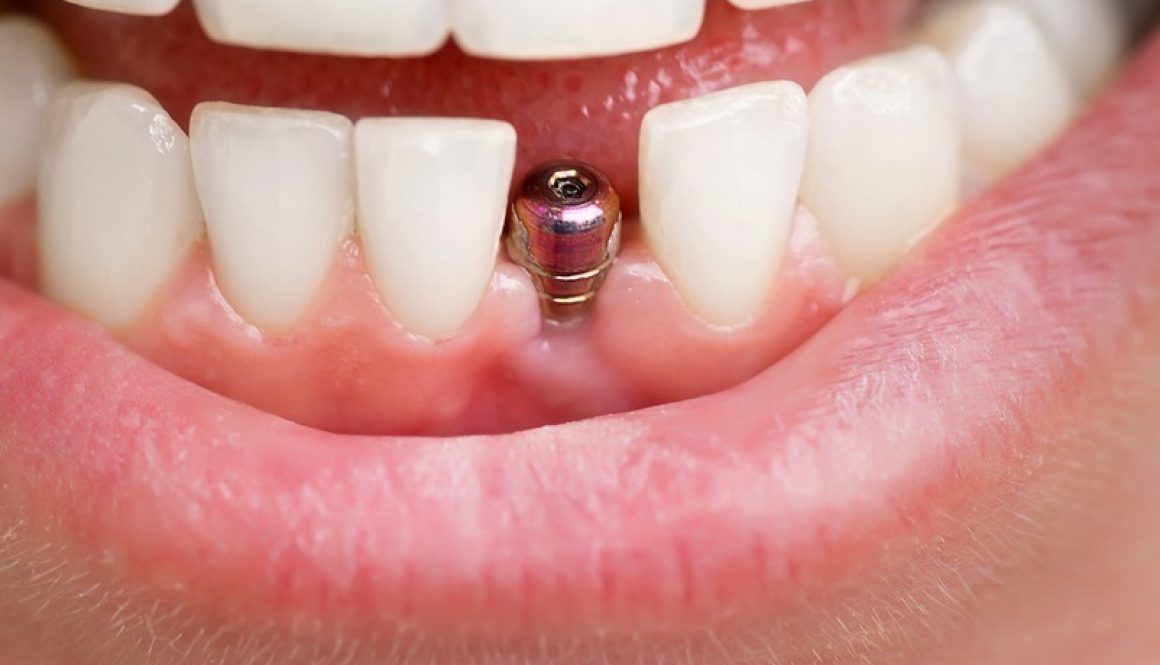
Implant-Supported Dentures: For enhanced stability and comfort, implant-supported dentures can be secured with dental implants, which are surgically placed in the jawbone.
Caring for Dentures
To ensure the longevity and effectiveness of your dentures, it’s crucial to follow a few maintenance steps:
Clean Regularly: Dentures should be cleaned daily to remove food particles, plaque, and stains.
Handle with Care: Entures are delicate, so handle them with care to avoid damage.
Dental trauma can result in the loss of teeth, significantly impacting your oral health, appearance, and self-confidence. Dentures offer a practical and highly effective solution to restore your smile, functionality, and overall quality of life. With advancements in modern denture technology, you can enjoy enhanced functionality, natural aesthetics, and unmatched comfort. If you’ve experienced dental trauma or tooth loss and are considering dentures, consult with a dentist to determine the best course of action tailored to your unique needs. Remember, your smile is a vital part of your overall well-being, and dentures can help you regain your radiant grin and confidence.
Call us today (262) 240- 0405 or visit our Contact page to book your appointment. Your journey to a healthier, more confident smile starts here and with you!
Mequon’s Ultimate Guide: Best and Worst Foods for Oral Health. Optimal oral health is achieved through a combination of good oral hygiene and a balanced diet. The nutrients you eat have a substantial impact on the condition of your teeth and gums. This article will examine Mequon’s Ultimate Guide: Best and Worst Foods for Oral Health, focusing on the types of foods that can promote or hinder oral health, enabling you to make informed dietary decisions for a gleaming smile.
Dietary Guidelines for Optimal Oral Health
In Mequon’s Ultimate Guide: Best and Worst Foods for Oral Health, we emphasize that a balanced diet is crucial for maintaining your oral health and preventing dental issues.
Mequon’s Ultimate Guide: Best and Worst Foods for Oral Health also highlights the importance of a diet rich in calcium, which is vital for strong teeth.
In Mequon’s Ultimate Guide: Best and Worst Foods for Oral Health, we recommend incorporating dairy products into your meals for optimal oral health.
The fibers in crunchy fruits and vegetables featured in Mequon’s Ultimate Guide: Best and Worst Foods for Oral Health can help clean teeth and freshen breath.
Calcium-Rich Foods
Consider adding leafy greens to your diet, as highlighted in Mequon’s Ultimate Guide: Best and Worst Foods for Oral Health, to boost your overall dental health.
Calcium-rich foods such as milk, cheese, and yogurt strengthen tooth enamel, making teeth less susceptible to erosion. Additionally, they contain casein, a protein that can restore and stabilize damaged enamel. Learn more about maintaining strong enamel and healthy gums. Schedule an appointmentwith family dentist now.
Lean proteins are essential, as discussed in Mequon’s Ultimate Guide: Best and Worst Foods for Oral Health, for building and repairing tooth structure.
Crunchy Fruits and Vegetables
Apples, vegetables, and celery are naturally effective dental cleaners. Their firm texture can help remove plaque and stimulate saliva production, which cleans and neutralizes the mouth naturally. Discover more about thedental technology.
In Mequon’s Ultimate Guide: Best and Worst Foods for Oral Health, we emphasize snacking on nuts and seeds to enhance your tooth health.
Mequon’s Ultimate Guide: Best and Worst Foods for Oral Health explains the importance of hydration for maintaining a healthy mouth.
Leafy Greens
Green tea is a beneficial beverage, as noted in Mequon’s Ultimate Guide: Best and Worst Foods for Oral Health, that can contribute to better oral health.
Greens such as kale and spinach are loaded with vitamins and minerals such as calcium and folic acid, which are essential for maintaining healthy teeth and gums. Pair these greens with your meals to boost your overall dental health.
Lean Proteins
Inappropriate foods that harm oral health are discussed in detail in Mequon’s Ultimate Guide: Best and Worst Foods for Oral Health.
Mequon’s Ultimate Guide: Best and Worst Foods for Oral Health warns against sugary foods that can contribute to dental decay.
Lean proteins like chicken, turkey, and lean beef cuts are excellent phosphorus sources. Along with calcium, phosphorus is essential for healthy dentition.Explore our dental tips to learn how these nutrients impact oral health.
Nuts and Seeds
Almonds, cashews, and sunflower seeds are abundant in calcium and protein, thereby promoting tooth strength and repair. A handful of these nuts is a quick and tooth-friendly snack option.
Hydration
Staying hydrated is essential for oral health. Water helps remove food particles and microorganisms from the pharynx, maintaining a healthy pH balance.
Green Tea
Green tea contains compounds that reduce hazardous oral bacteria and inhibit plaque formation. Consider incorporating it into your routine as a healthy beverage alternative.
Processed carbohydrates, as mentioned in Mequon’s Ultimate Guide: Best and Worst Foods for Oral Health, can be harmful to your teeth.
Inappropriate Foods That Harm Oral Health
Sugary Foods and Beverages
Sugary foods and beverages, such as candies, soft drinks, and fruit juices, are a significant cause of tooth decay. The microorganisms in your mouth consume sucrose and produce acids that erode tooth enamel as a result. Learn how to prevent tooth decay.
Acidic Foods and Beverages
Acidic foods and beverages, such as citrus fruits, tomatoes, and vinegar, can erode tooth enamel over time, making teeth more susceptible to cavities.
Sticky and Chewy Foods
Snacks such as candied fruit and caramel can readily adhere to teeth, creating an ideal environment for the growth of detrimental microorganisms. Removing these from your diet can reduce your cavity risk.
Hard Confectionery and Ice
Biting on firm confectionery and ice can result in chipped or cracked teeth. Moreover, ice is known to cause dental trauma and enamel erosion.
For assistance in adopting the recommendations found in Mequon’s Ultimate Guide: Best and Worst Foods for Oral Health, call your local dentist.
Processed Carbohydrates
Foods high in refined carbohydrates, such as white bread and potato snacks, can degrade into simple sugars that contribute to tooth decay.
Alcohol and Tobacco
Excessive alcohol consumption and tobacco use can cause parched mouths, which increases the risk of oral health issues. Visit the American Dental Association to learn about the effects of these substances on oral health.
Dark Beverages
Over time, dark beverages such as coffee and red wine can stain teeth, altering their appearance. Explore tips on stain preventionto keep your smile bright.
Adopting a Well-Rounded Diet
To attain optimal oral health, it is necessary to consume a balanced diet abundant in a variety of nutrient-dense foods and low in sugary, acidic, and processed foods. Remember the importance of appropriate oral hygiene practices, such as brushing, flossing, and regular dental checkups, in addition to dietary choices.
Conclusion
Diet plays a vital role in attaining and maintaining optimal oral health. By incorporating tooth-friendly foods into your diet and avoiding those that are detrimental, you can achieve a healthy smile and overall well-being. Remember, for optimal oral health, it is not only what you consume that matters, but also how you care for your teeth.
Call us today (262) 240- 0405 or visit our Contact page to book your appointment. Your journey to a healthier, more confident smile starts here.
The 7 Dental Tips for Teens in Mequon are essential for maintaining optimal oral health. The teenage years bring significant growth and development—and unique challenges for oral health. For teens in Mequon, navigating these years requires expert care and proactive steps. This blog explores common dental difficulties teenagers face and provides practical solutions for maintaining a confident, healthy smile. Let’s dive into the 7 Dental Tips for Teens in Mequon!
Understanding the intricacies of dental health during adolescence is crucial. As the body undergoes rapid changes, so too does the oral environment. This period is marked not just by physical growth, but also by psychological and social shifts that influence dietary choices, hygiene practices, and general health awareness. Teens often face peer pressure, which can lead to neglecting oral hygiene or indulging in unhealthy habits. Engaging in conversations about the importance of oral health can help instill good practices early on.
Following the 7 Dental Tips for Teens in Mequon can significantly improve your teen’s oral hygiene and overall health. Understanding the intricacies of dental health during adolescence is crucial. As the body undergoes rapid changes, so too does the oral environment. This period is marked not just by physical growth, but also by psychological and social shifts that influence dietary choices, hygiene practices, and general health awareness. Teens often face peer pressure, which can lead to neglecting oral hygiene or indulging in unhealthy habits. Engaging in conversations about the importance of oral health through the 7 Dental Tips for Teens in Mequon can help instill good practices early on.
1. Orthodontic Solutions for Straighter Smiles: The 7 Dental Tips for Teens in Mequon include various orthodontic solutions that help achieve a straighter smile. When it comes to orthodontic solutions, it’s essential to explore options available today. Traditional metal braces remain a popular choice, but advancements in orthodontics have introduced alternatives like ceramic braces and clear aligners such as Invisalign.
These options not only address aesthetic concerns but also enhance comfort and convenience. It’s advisable for parents to discuss these choices with their orthodontist to determine the best fit for their teen’s lifestyle and dental needs. Integrating these orthodontic solutions into the 7 Dental Tips for Teens in Mequon can greatly benefit their dental health.
1. Orthodontic Solutions for Straighter Smiles
When it comes to orthodontic solutions, it’s essential to explore various options available today. Traditional metal braces remain a popular choice, but advancements in orthodontics have introduced alternatives like ceramic braces and clear aligners such as Invisalign. These options not only address aesthetic concerns but also enhance comfort and convenience. It’s advisable for parents to discuss these choices with their orthodontist to determine the best fit for their teen’s lifestyle and dental needs.
Orthodontic issues like misaligned teeth, overbites, and underbites are common among teenagers. Braces or clear aligners are effective solutions to achieve a straighter, healthier smile. Consulting with an orthodontist ensures teens receive the right treatment plan.
2. Combat Tooth Decay and Gum Disease: One of the key 7 Dental Tips for Teens in Mequon is addressing tooth decay and gum disease. Teens are at higher risk for tooth decay and gum disease due to dietary changes and hormonal fluctuations. Sugary snacks and acidic drinks exacerbate these issues.
Encourage your teen to follow the 7 Dental Tips for Teens in Mequon by:
In addition to the recommended practices, educating teens about the consequences of poor oral hygiene can motivate them to adopt better habits. For instance, explaining how plaque buildup leads to cavities or gum disease can be eye-opening. Encouraging them to keep a dental journal can also promote accountability, tracking their brushing and flossing habits.
Another vital component of the 7 Dental Tips for Teens in Mequon is monitoring wisdom teeth. Monitoring wisdom teeth is particularly critical for teens who participate in contact sports, as the risk of dental trauma increases significantly. Connecting with a dental specialist who understands the unique needs of adolescent patients can lead to timely interventions when necessary.
2. Combat Tooth Decay and Gum Disease
Teens are at higher risk for tooth decay and gum disease due to dietary changes and hormonal fluctuations. Sugary snacks and acidic drinks exacerbate these issues. Encourage your teen to:
Brush and floss daily.
Limit sugary and unhealthy snacks.
Schedule regular dental check-ups.
Monitoring wisdom teeth is particularly critical for teens who participate in contact sports, as the risk of dental trauma increases significantly. Connecting with a dental specialist who understands the unique needs of adolescent patients can lead to timely interventions when necessary.
Read thisADA guidefor more tips on promoting oral health in teens.
4. Staying Consistent with Oral Hygiene: Adhering to the 7 Dental Tips for Teens in Mequon regarding oral hygiene is vital for maintaining dental health. Busy schedules can make it challenging for teens to maintain proper oral hygiene. Parents can help by encouraging consistent brushing and flossing routines.
3. Managing Wisdom Teeth
To maintain motivation, setting reminders on smartphones for brushing and flossing can be beneficial. Gamifying the experience with rewards for consistent oral hygiene can also encourage compliance among teens.
For more detailed insights, check our 7 Dental Tips for Teens in Mequon on our General Dentistry page.
Wisdom teeth often emerge during the late teen years, potentially causing discomfort, impaction, or crowding. Regular dental visits help monitor wisdom tooth development and determine if extraction is needed to prevent complications.
Regular check-ups not only help in early detection of dental issues but also allow for a discussion on lifestyle choices that impact oral health. Dental professionals can offer personalized advice tailored to the teen’s specific lifestyle, such as coping strategies for stress that do not involve sugary snacks.
4. Staying Consistent with Oral Hygiene
Busy schedules can make it challenging for teens to maintain proper oral hygiene. Parents can help by:
6. Addressing Eating Disorders: Among the 7 Dental Tips for Teens in Mequon, addressing eating disorders is crucial as these can severely affect oral health, causing enamel erosion and cavities. Early intervention and professional care are critical. If you suspect your teen may be struggling, consult a healthcare provider and your dentist immediately.
Encouraging consistent brushing and flossing routines.
Investing in tools like electric toothbrushes.
Emphasizing the importance of routine dental visits.
For tips on maintaining oral hygiene, visit our General Dentistry page.
5. Preventing Dental Trauma
Active lifestyles and sports increase the risk of dental injuries. Protect your teen’s smile by encouraging them to:
7. Tackling Tobacco and Substance Use: The final point in the 7 Dental Tips for Teens in Mequon emphasizes the dangers of experimenting with tobacco or drugs, which can harm oral health. Open communication about these risks is vital. Reinforce positive habits and educate teens about the dangers of tobacco and drug use.
Wear a custom-fitted mouthguard during sports.
Seek immediate dental attention for injuries.
Furthermore, discussing the dangers of e-cigarettes and vaping is increasingly pertinent. Many teens may not be aware that these products can also lead to oral health issues. Educating them about the long-term effects of oral tobacco products and smoking can reinforce the importance of making informed choices.
Eating disorders like anorexia and bulimia can severely affect oral health, causing enamel erosion and cavities. Early intervention and professional care are critical. If you suspect your teen may be struggling, consult a healthcare provider and your dentist immediately.
Ultimately, providing teens with the resources they need to succeed in their dental health journey is key. Access to educational materials, personalized advice from dental professionals, and open lines of communication between parents and teens will empower them to take responsibility for their health. By instilling these values early on, we can help ensure that they carry these habits into adulthood, fostering a lifetime of healthy smiles.
Experimenting with tobacco or drugs can harm oral health, leading to:
Stained teeth.
Gum disease.
Increased risk of oral cancer.
Open communication about these risks is vital. Reinforce positive habits and educate teens about the dangers of tobacco and drug use.
Empowering Mequon Teens for Lifelong Oral Health
Navigating the teenage years can be challenging, but with proper care and guidance, teens can maintain excellent oral health. By addressing orthodontic needs, promoting hygiene, preventing dental trauma, and fostering healthy habits, parents and teens in Mequon can work together to ensure confident, radiant smiles.
Ready to support your teen’s dental journey? Visit our Contact Us page to schedule an appointment at North Shore Smiles today. Together, we’ll keep your family’s smiles bright and healthy for years to come.